Dehydration is a state in which there is less than the normal level of hydration in the body. It occurs when fluid loss is greater than fluid intake, disturbing the body’s delicate internal homeostasis balance. Even a modest fluid shortage can harm physical performance and overall health. Proper hydration is crucial for human survival and optimal organ function.
Water is the most essential nutrient in the human body. After oxygen, it is the most important and primary element required for life. About 60% of the human body is made up of water. Many people associate hydration only with skin glow, but every physiological process depends on adequate water levels.
A slight deficiency does not only cause muscle fatigue or dry skin; it also affects the deep functioning of complex organs, including the brain. At Parkinson’s MD Care, we emphasize the importance of hydration in maintaining neurological health and preventing complications related to brain function.
The brain is extremely sensitive to changes in the body’s hydration levels and is made up of nearly 75% water. It depends on proper hydration to send and receive electrical signals effectively, which requires a healthy balance of electrolytes.
Water also supports essential processes such as nutrient delivery, waste removal, and maintaining the stability of brain cells.
Even mild dehydration can negatively affect mood, concentration, and overall cognitive performance. For individuals undergoing parkinson’s disease treatment, dystonia treatment, tremor treatment, or deep brain stimulation surgery at a neurology center, staying properly hydrated becomes even more important to support optimal neurological function and recovery.
It is one of the biggest myths that Parkinson’s only occurs in older people. Many of them think it starts after age 60, but the fact shows another side. About 4% of cases appear before age 50, called young-onset Parkinson’s.
At the same time, the majority of diagnoses do occur after age 60. The rough estimation shows that 10-20% of cases are classified as young-onset Parkinson’s. It is affecting people in their 40s or even their 30s. The genetics and early toxins also play a role here. For example, actor Michael J.Fox was diagnosed when he was 29 years old. It pulls global attention to this fact.
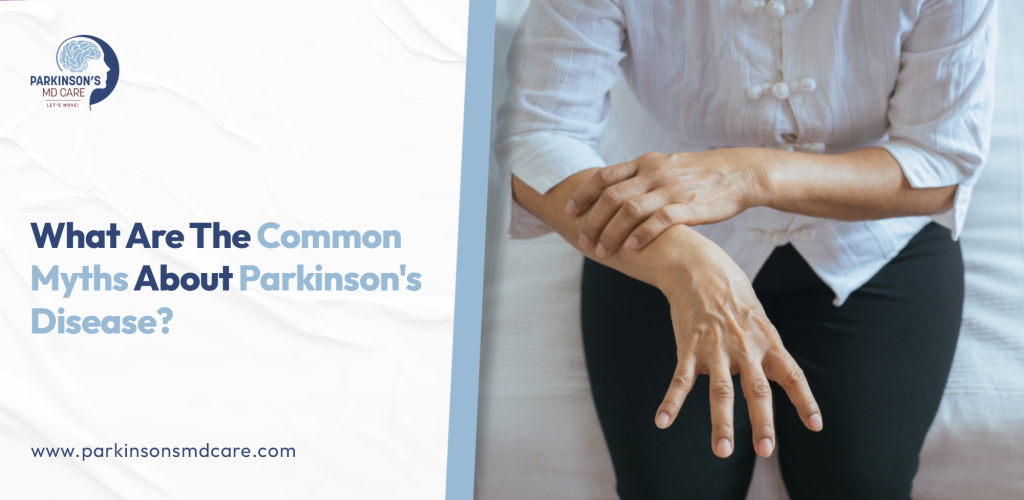
Many people picture someone with Parkinson’s as always visibly shaking. Shaky hands, Mark Parkinson’s in ads and talks. Even so, tremors are just one possible symptom. Not every single patient experiences tremors at all.
Parkinson’s signs can show through muscle rigidity, slow movement, which is called bradykinesia, difficulties in balance, soft speech, reduced facial expression or sometimes static expressions. It is also marked with a range of non-motor symptoms like sleep disturbances, depression, anxiety and loss of smell. Only 70% have tremors at the start. Some people notice slow movements, rigid limbs or soft speech first. Even those with the tremors see them fade with Levodopa pills.
Some individuals leave with Parkinson’s for years and years before any tremor ever appears. Or sometimes they experience only one tremor appearance at all. Suppose you focus only on the tremors. It can cause people to overlook other early signs that can signal an earlier diagnosis.
Most people think that partitions press like a virus. This myth causes enormous distress at the time of diagnosis. Actually, Parkinson’s itself is not the direct cause of death. The fear of catching it stops us from helping friends. Science has proved that it doesn’t pass from person to person. So no germs or infections cause it. Also, even close contact with patients poses zero risk, so hugs, shared meals, and visits are safe. This fact eases worries and builds support networks for patients.
Also, its complications increase over time. It includes falls, swallowing difficulties or pneumonia that can become serious. When they receive an appropriate diagnosis, medical care and physical therapy. Many people live for decades after their diagnosis with a good quality of life. Also, the prognosis there varies greatly from person to person. However, a caring treatment plan for Parkinson’s can make a big difference in long-term results.
Levodopa(carbidopa)25/100mg is usually available in a yellow color. It is the medication that remains essential for managing Parkinson’s symptoms. But it must be taken on prescribed time. But it doesn’t mean that they are the only medical tools available. Speech therapy can also deal with changes in voice or swallowing.
Exercise with particular activities like dancing, Tai chi or boxing has shown strong proof in slowing functional responses. Work or physical therapy might improve a person’s ability to handle daily tasks with more confidence. Also, it helps maintain mobility and prevent falls. Even dietary habits play a major role. Along with sleep, hygiene also contributes meaningfully to overall symptom management. Therefore, limiting bone thinking to medication would mean not using effective strategies.
Parkinson’s MD Care provides patients with specialized medical advice dedicated to expert personalized neurological care. The team at Parkinson’s MD Care understands this condition. So every treatment plan is built according to the individual’s specific symptoms and life goals. They stand with you from medication management and deep brain stimulation consultations to coordination with physical and occupational therapies. Parkinson MD Care offers patients a complete and thoughtful approach to living well with Parkinson’s disease.
It would be a mistake to mark Parkinson’s as totally a movement-based condition. Non-motor symptoms can appear years before formal diagnosis. Depression and anxiety are common companions to Parkinson’s disease. They have partial effects because the disease itself alters brain chemistry.
As time passes, the cognitive changes include difficulties with memory or attention. It affects a significant portion of patients. Sleep disorders such as REM (parasomnia) sleep behavior disorder can show up before motor symptoms appear. Obvious constipation, urinary issues and a change in blood pressure are also reported in Parkinson’s patients. The broader looking over the scope of Parkinson’s symptoms makes it possible to manage it more completely.
Another wrong belief claims that Parkinson’s comes from one clear cause. There is no single known cause of Parkinson’s disease. Some blame head injuries alone or just a bad diet as the cause of Parkinson’s disease. But in reality a mix of multiple factors.
The brain cells that make dopamine die off slowly. Research shows a combination of genetic and environmental elements. The gene mutations, such as those in the LRRK2 and PINK1 gene raise a person’s risk. Although they don’t guarantee the disease will develop.
The genes also account for 10 to 15% of Parkinson’s cases. The environment also matters, like pesticide exposure in farm areas or other toxin exposure. Therefore, no single blame fits for each cause. In most cases, no specific cause is visible. Your doctor will look at the family history and the lifestyle to understand each case.
However, being aware that Parkinson’s has no single preventable cause. It can somehow ease guilt for patients and families.It’s a very important step to find a care team with expertise in the required condition. It will help those who are looking for a Parkinson’s diagnosis. It could change the entire diagnostic experience.
Parkinson MD Care combines the most current practices with the patient-first approach. The specialist focuses on personal plans that fit your life.
There are many myths about Parkinson’s disease that can cause real problems, delaying diagnosis and discouraging people from exploring effective treatments. At Parkinson’s MD Care, patients can receive trusted care, including DBS surgery, dystonia treatment, and tremor treatment, ensuring they get accurate guidance and support.
Knowing the right facts helps patients and families make informed decisions. If you notice any signs of Parkinson’s, speak with a movement disorder specialist and schedule a consultation at Parkinson’s MD Care.
WhatsApp us