Dystonia Treatment In Pakistan
Get expert dystonia care from Dr. Jawad A. Bajwa, dedicated to precise and compassionate treatment.
- 25+ Years of Experience in Interventional treatment for Dystonia
- International Treatment Standards
- Deep Brain Stimulation (DBS) Expert
- High Success Rate in interventional Deep Brain Stimulation (DBS) therapy for Dystonia
- Personalized Interventional Approach
About Dr. Jawad A. Bajwa
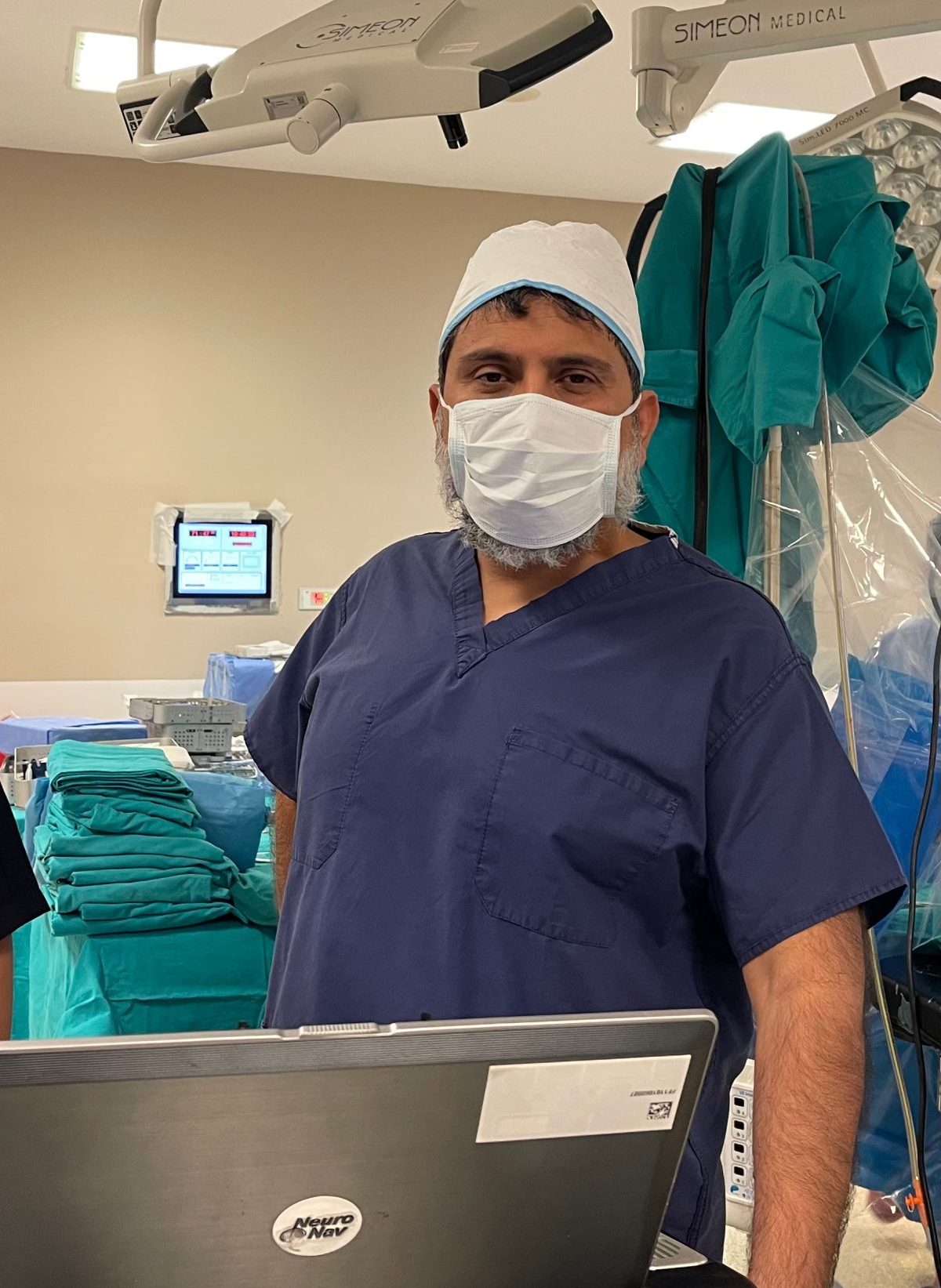
Dr. Jawad A. Bajwa is an American board-certified interventional neurologist with subspecialty training in Parkinson’s disease (PD), movement disorders and deep brain stimulation (DBS). Using more than 25 years of clinical and interventional experience, he has effectively treated complicated movement disorders such as dystonia and Essential tremor (ET) using advanced treatments, including DBS surgery. He completed his medical studies and specialization at the Georgetown University Hospital, Washington, DC and The Cleveland Clinic Foundation, Cleveland, Ohio in the United States. Dr. Bajwa’s dedication to innovation, precision, and compassionate care continues to provide better care for the treatment of movement disorders.
Badges & Accreditations of Dr. Jawad A. Bajwa

King Edward
King Edward Medical University

Mount Sinai
Mount Sinai School of Medicine

Georgetown
Georgetown University Hospital in Washington, DC
Cleveland Clinic
Cleveland Clinic Foundation, Cleveland, Ohio
Understanding Dystonia
Dystonia is a complex neurological movement disorder characterized by involuntary muscle contractions, which result in twisting, repetitive movements, or abnormal postures. It occurs when the brain’s movement-controlling regions send incorrect signals to the muscles, causing constant or intermittent spasms. Depending on the nature and severity of the condition, it may impact one or more areas of the body.
There are several types of dystonia, including
- Focal dystonia (affecting one area such as the neck, eyes, or hands)
- Segmental dystonia (two or more adjacent regions)
- Multifocal dystonia (two or more unrelated areas)
- Generalized dystonia (involves large parts of the body)
Genetic mutations, brain injury, certain drugs, infections, and toxic exposure are all possible causes.
The disorder can develop gradually, beginning with moderate muscle pulling or stiffness or twisting and worsening over time. Early diagnosis and treatment are critical since correct management can significantly improve comfort, control, and overall quality of life.
While there is no definite cure for dystonia, modern medical and interventional approaches, such as deep brain stimulation (DBS), have proven to be quite effective in alleviating symptoms and restoring movement function.
When Should You See
Dr. Bajwa for Dystonia Treatment?
Recognizing the early stages of dystonia is critical for timely diagnosis and effective treatment. Because symptoms may develop gradually, obtaining expert advice can help prevent deterioration in movement control and enhance overall quality of life. Dr. Jawad A. Bajwa provides personalized care and modern solutions via virtual online consultation to assist patients in restoring confidence and mobility.
You should consult Dr. Bajwa if you experience:
- Involuntary muscle contractions or twisting movements
- Abnormal postures or repetitive motions
- Neck pulling or tilting (cervical dystonia)
- Eye blinking or facial spasms that won’t stop (Blepharospasm)
- Speech or voice changes due to muscle tension
- Pain or discomfort during muscle contractions
- Symptoms that worsen with stress or fatigue
- Reduced ability to perform daily activities
- Lack of improvement with medications or therapy
- Family history of movement disorders
With early diagnosis and professional guidance, most patients experience significant symptom control and improved daily functioning under Dr. Bajwa’s care.
Check Your Dystonia Symptoms
If you’re not sure if your symptoms are dystonia-related, this simple checklist will help you detect early
warning indicators. Recognizing these symptoms enables you to seek quick evaluation and treatment from Dr. Jawad A. Bajwa, resulting in a more precise diagnosis and individualized care plan.
Common Symptoms
- Involuntary muscle contractions or spasms
- Twisting or repetitive movements
- Abnormal or fixed postures
- Uncontrolled blinking or facial twitching (Blepharospasm)
- Voice changes or slurred speech
- Neck pulling or tilting (cervical dystonia)
- Muscle pain or cramping
- Difficulty writing, walking, or performing tasks
How To Diagnose If You Have Dystonia?
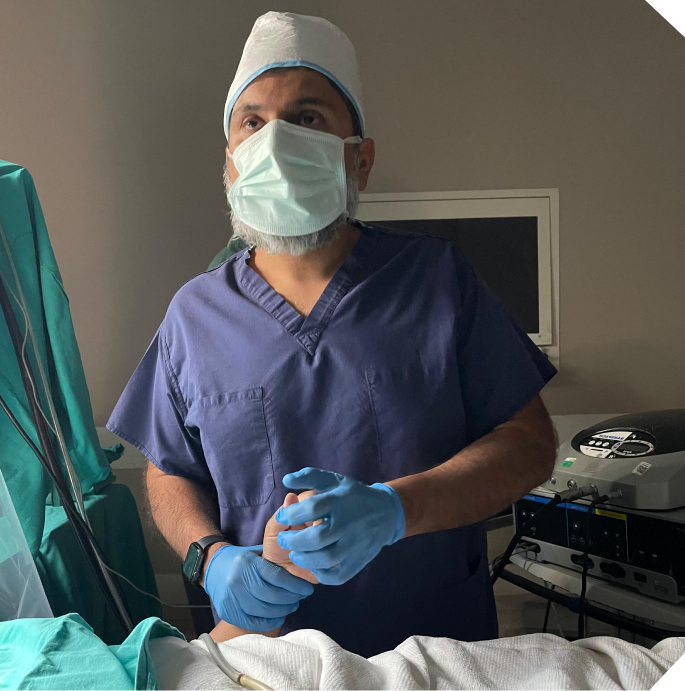
Dystonia diagnosis requires a thorough history and examination to determine the underlying cause and rule out any other neurological problems. The method usually starts with a thorough medical history and a neurological assessment to determine muscle tone, posture, and movement patterns.
To support the diagnosis, additional tests may include:
MRI or CT Scan: To detect structural changes or brain abnormalities.
Genetic Testing: When hereditary dystonia is suspected.
Blood and Urine Tests: To exclude metabolic or toxic causes.
Through these diagnostic steps, our American-certified movement disorders and interventional deep brain stimulation (DBS) neurologist ensures each patient receives an accurate assessment and a personalized treatment plan.
Life After Deep Brain Stimulation Intervention for Dystonia: What You Can Do Again
Many patients who have deep brain stimulation (DBS) intervention for dystonia benefit greatly from the competent care of Dr. Bajwa. This life-changing procedure helps you regain control, relieve discomfort, and reclaim independence. Patients should expect to regain most daily routines and confidence with continued follow-up, rehabilitation, and healthy lifestyle changes.
| Before DBS | After DBS |
|---|---|
| Muscles move involuntarily | Movements become smoother and more controlled |
| Hard to speak or use hands properly | Speech becomes clearer; hands move easily |
| Pain and twisting in the body | Pain decreases; posture improves |
| Needed help for daily tasks | Can perform daily activities independently |
| Avoided social gatherings | Feel confident and socially active again |
| Couldn’t work or study properly | Can resume work or academic life |
| Trouble eating or writing | Eat, write, and hold objects with ease |
| Poor sleep due to muscle spasms | Sleep improves and becomes more restful |
| Too many medicines with side effects | Medication needs are reduced |
| Felt anxious or hopeless | Feel positive, active, and hopeful again |
Dystonia: Treated Timely vs Non-Timely
Early detection and treatment of dystonia can make a significant difference in a patient’s rehabilitation and long-term well being. The comparison below demonstrates how immediate care, particularly under the supervision of Dr. Jawad A. Bajwa, can greatly improve quality of life and functional independence.
| Aspect | Treated Timely | Non-Timely Treatment |
|---|---|---|
| Muscle Control | Improved control and smoother movements | Increased stiffness and uncontrolled spasms |
| Pain and Discomfort | Noticeable reduction in pain and tension | Persistent or worsening muscle pain |
| Daily Activities | Regain the ability to perform tasks independently | Dependence on others for basic tasks |
| Disease Progression | Nominal worsening with proper management | Faster decline in muscle function |
| Response to Treatment | Better outcomes and symptom stability | Limited response, requiring complex care |
| Physical Appearance | Improved posture and reduced abnormal movements | Noticeable deformities and posture issues |
| Emotional Health | Enhanced confidence and mental well-being | Anxiety, frustration, and social withdrawal |
| Work and Independence | Return to work and an active lifestyle | Difficulty maintaining employment or studies |
| Medication Use | Reduced need for multiple drugs | Reliance on higher doses and combinations |
| Overall Quality of Life | Restored balance, confidence, and hope | Diminished comfort and independence |
Dystonia Treatment Options Led by Dr. Bajwa
Comprehensive dystonia treatment requires a personalized strategy that targets both symptom reduction and long-term clinical improvement. Patients receive evidence based care from Dr. Jawad A. Bajwa with the goal of restoring movement, relieving discomfort, and increasing independence. Treatment may involve a variety of therapies, depending on the severity and type of dystonia.
1. Deep Brain Stimulation
Deep brain stimulation (DBS) is an interventional minimally invasive treatment that is both extremely effective and advanced, specifically designed for patients with moderate to severe dystonia who do not respond adequately to medications or other therapies. This procedure modulates abnormal electrical signals that are responsible for involuntary muscle contractions by precisely targeting specific areas of the brain.
This helps patients achieve more controlled and smoother movements. The procedure frequently improves daily functioning, mobility, and overall quality of life, in addition to reducing pain and enhancing posture. Dr. Jawad A. Bajwa’s extensive experience and expertise in this procedure including deep brain stimulation (DBS) for dystonia guarantee exceptional long-term patient outcomes, meticulous planning, and personalized care.
2. Medication
Before interventional alternatives are considered, medications are frequently implemented as the initial treatment for dystonia. Dystonia treatment usually involves the administration of anticholinergic medications, such as Trihexyphenidyl or Procyclidine, to provide alleviation. Additionally, it is essential to discontinue the offending medication, which may include specific antipsychotics, that may have precipitated the reaction. In case the symptoms persist, benzodiazepines such as Clonazepam may be administered.
Furthermore, other medications, including muscle relaxants such as Baclofen, can be used to manage persistent muscle spasms, stiffness, and abnormal postures. This treatment provides relief while also preparing patients for more advanced interventions, such as deep brain stimulation (DBS).
3. Holistic Wellness Care
In the management of dystonia symptoms, lifestyle modifications are beneficial. Regular stretching, stress reduction techniques, and preserving proper posture are all effective in preventing symptom flare-ups and enhancing overall mobility. Complementing medical and interventional treatments, adequate rest, balanced nutrition, holistic wellness and mindful body mechanics further enhance muscle control and alleviate discomfort.
4. Supportive Care
For a complete dystonia treatment plan to work, supportive care is a must. Occupational therapy helps people get back on their feet and do things on their own, while physical therapy makes muscles stronger, more flexible, and better coordinated. Counseling and psychological support can help with emotional problems, lower anxiety or depression, and improve general health. This makes sure that patients get full care for both their physical and mental health.
What is Deep Brain Stimulation?
To restore smoother and more controlled movements, deep brain stimulation (DBS), an advanced, safe, and very successful minimally invasive interventional treatment for dystonia, targets the brain’s abnormal electrical activity. For the process, tiny electrodes are placed in certain parts of the brain and connected to a pulse generator that is implanted under the skin. This device sends out controlled electrical impulses that help keep muscle contractions in check and stop moves that aren’t wanted.
This clinical minimally invasive intervention is versatile because it can be modified, giving patients options and long-term safety. Many people notice significant improvements in their posture, mobility, and daily functioning, and they often don’t need to take as much medicine.
As a movement disorders and deep brain stimulation (DBS) specialist, certified by the American Board of Neurology, Dr. Bajwa has over 25 years of interventional experience. He makes sure that every patient gets the best results, a better quality of life, and the ability to live on their own again by carefully planning their care, creating personalized treatment plans, and providing ongoing follow-up care.
How Is Interventional Deep Brain
Stimulation Therapy Performed?
Deep Brain Stimulation (DBS) procedure is performed with precision, ensuring safety, minimal discomfort, and optimal results. The procedure is carefully planned and personalized to each patient by Dr. Bajwa and his team.
Step-by-Step Overview:


Preparation & Planning
Advanced imaging techniques like MRI and CT scans are used to map the specific brain regions responsible for dystonia. This ensures precise electrode placement.

Interventional Procedure
Ultra-thin electrodes using neuronavigation and complex neurophysiology are carefully inserted into the targeted brain areas. The procedure may be performed under local or general anesthesia, depending on the patient’s needs.

Device Placement
A small pulse generator is implanted under the skin of the chest and connected to the brain electrodes under general anesthesia, delivering controlled electrical impulses to regulate abnormal signals.

Post-Procedure Adjustment
The generator settings are fine-tuned to optimize symptom control and minimize side effects.

Follow-Up Care
Regular follow-ups, medication management, deep brain stimulation (DBS) adjustments and rehabilitation support help patients regain mobility, independence, and quality of life.
Brain Map: Understanding
How Your Brain Works
The human brain is a highly complex organ that controls movement, coordination, emotions, speech, memory, and other essential functions. Understanding its key regions can help patients and caregivers appreciate how dystonia affects muscle control and how targeted treatments, like deep brain stimulation (DBS), work to restore balance and function.
- Basal Ganglia: Crucial for regulating movement; dysfunction here is a primary cause of dystonia symptoms.
- Cerebellum: Coordinates balance, posture, and fine motor control.
- Frontal Lobe: Controls voluntary movements, decision-making, and planning.
- Parietal Lobe: Processes sensory information, including touch and spatial awareness.
- Temporal Lobe: Involved in hearing, memory, and language comprehension.
- Brainstem: Regulates autonomic functions such as heart rate and breathing.
A visual brain map can help illustrate these areas, showing how deep brain stimulation (DBS) targets specific regions to improve movement control and overall quality of life.
Disorders Treated by Dr. Jawad A. Bajwa
Dr. Jawad A. Bajwa provides expert care for a range of movement disorders using advanced techniques like deep brain stimulation (DBS) and personalized treatment plans. He helps patients regain control, reduce symptoms, and improve their quality of life.
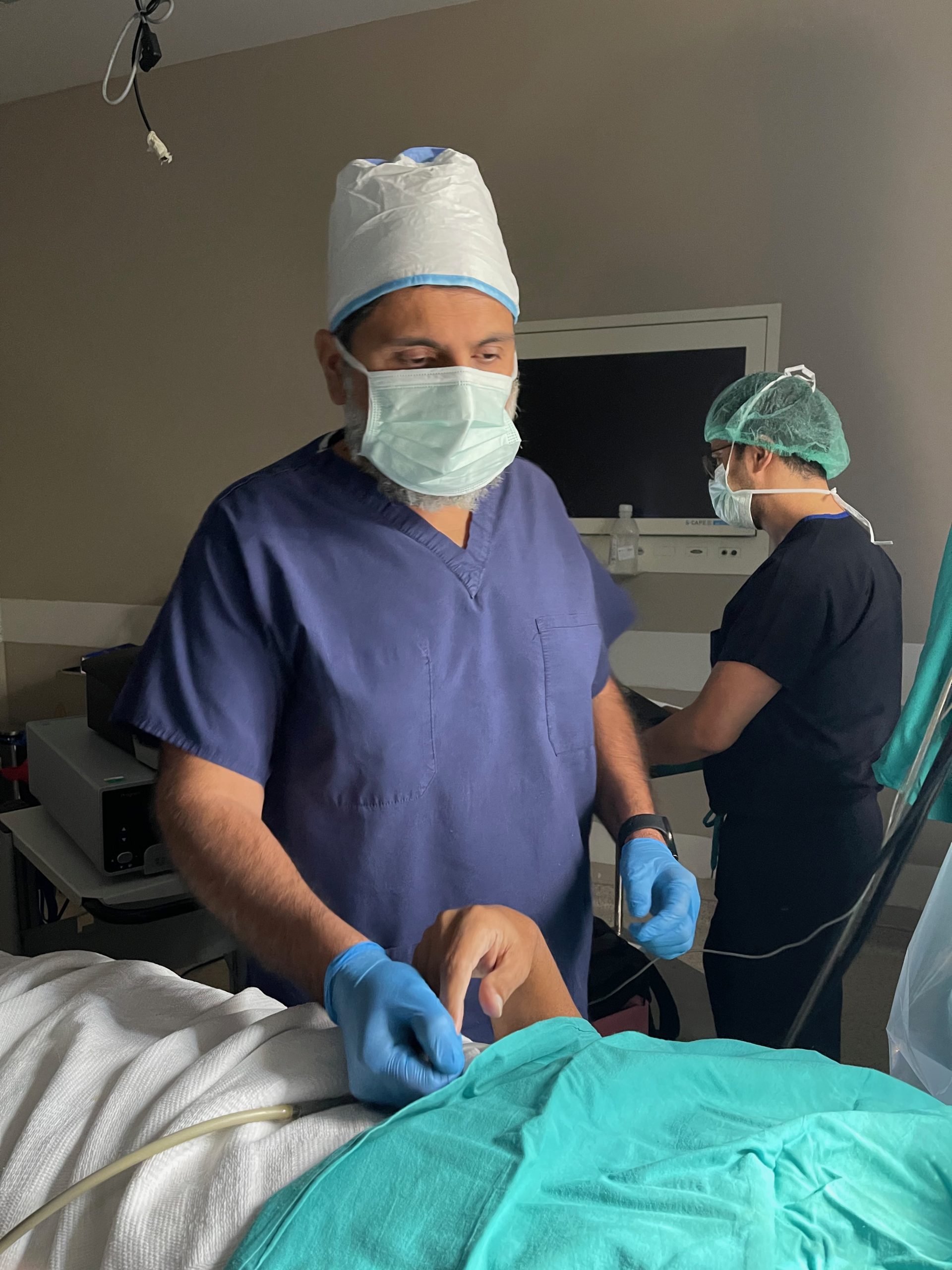
Dystonia
Characterized by involuntary muscle contractions, abnormal postures, and repetitive movements, dystonia can affect any part of the body. Dr. Bajwa offers both interventional options, like deep brain stimulation (DBS), and non-interventional therapies, including medication and holistic wellness treatment, to manage symptoms effectively.
Essential Tremor
This neurological movement disorder is characterized by rhythmic shaking, often affecting the hands, head, or voice. Deep brain stimulation (DBS) and supportive therapies help stabilize tremors and improve daily functioning, allowing patients to regain confidence and independence.
Parkinson’s Disease
A progressive disorder impacting movement, muscle control, and coordination, Parkinson’s disease treatment requires specialized care. Dr. Bajwa provides comprehensive care, including deep brain stimulation (DBS), medication management, and lifestyle wellness therapies, tailored to each patient’s needs.
Turning Challenges into Hope
At Parkinson’s MD care, we believe that no one should face movement disorders alone. With expert guidance, compassionate care, and personalized treatment plans, we help patients transform frustration and uncertainty into confidence and independence.
Every step of the journey, whether through virtual online consultation, therapy, or advanced procedures like deep brain stimulation (DBS) is designed to restore mobility, ease symptoms, and renew hope. Together, we turn challenges into possibilities and support you in living a fuller, more empowered life.
Where Are We
Offering Our Services?
Dr. Bajwa provides consultations at Parkinson’s MD Care, a completely online neurology clinic, from the comfort of your home. You can consult a neurologist in Pakistan for Parkinson’s disease (PD) and other movement disorders, as well as receive comprehensive evaluations and treatment recommendations.
No matter where you are, our online clinic guarantees that professional guidance, medical support, and follow-up care are accessible in a rapid, safe, and effective way.
Frequently Asked Questions
What are the common symptoms of Dystonia?
Dystonia causes involuntary muscle contractions, twisting movements, abnormal postures, repetitive motions, and sometimes pain. It can affect any part of the body, including the neck, face, hands, or vocal cords.
When should Dystonia patients consider Deep Brain Stimulation?
Deep brain stimulation (DBS) should be considered when symptoms cause pain, posturing and twisting impacting significantly daily activities and quality of life.
How soon do symptoms improve after Deep Brain Stimulation?
Improvement varies by patient, but many notice a reduction in muscle contractions and better movement control within a few weeks of device activation. Full benefits often develop over several months with ongoing adjustments.
Are there warning signs before Dystonia starts?
Early signs can include subtle muscle twitches, cramping, abnormal postures, or difficulty with fine motor tasks. Prompt evaluation helps in early management and better outcomes.
Are there risks or side effects of Deep Brain Stimulation therapy?
Like any procedure, deep brain stimulation (DBS) carries minimal risks such as infection, bleeding, or temporary side effects. However, it is generally safe and well-tolerated when performed by an experienced specialist like Dr. Jawad A. Bajwa and his team, offering a long-term improvement in symptoms.