Tremor Treatment in Pakistan
Regain control and confidence with expert, compassionate tremor treatment in Pakistan for a steadier, better quality of life.
- Expert in Deep Brain Stimulation (DBS) for Essential Tremor (ET)
- 25+ Years of Experience in Movement Disorders
- American Trained Interventional Deep Brain Stimulation Neurologist
- Advanced Deep Brain Stimulation Interventional Therapy for Tremor Control
- High Success Rate in Essential Tremor (ET) Treatment
About the Doctor
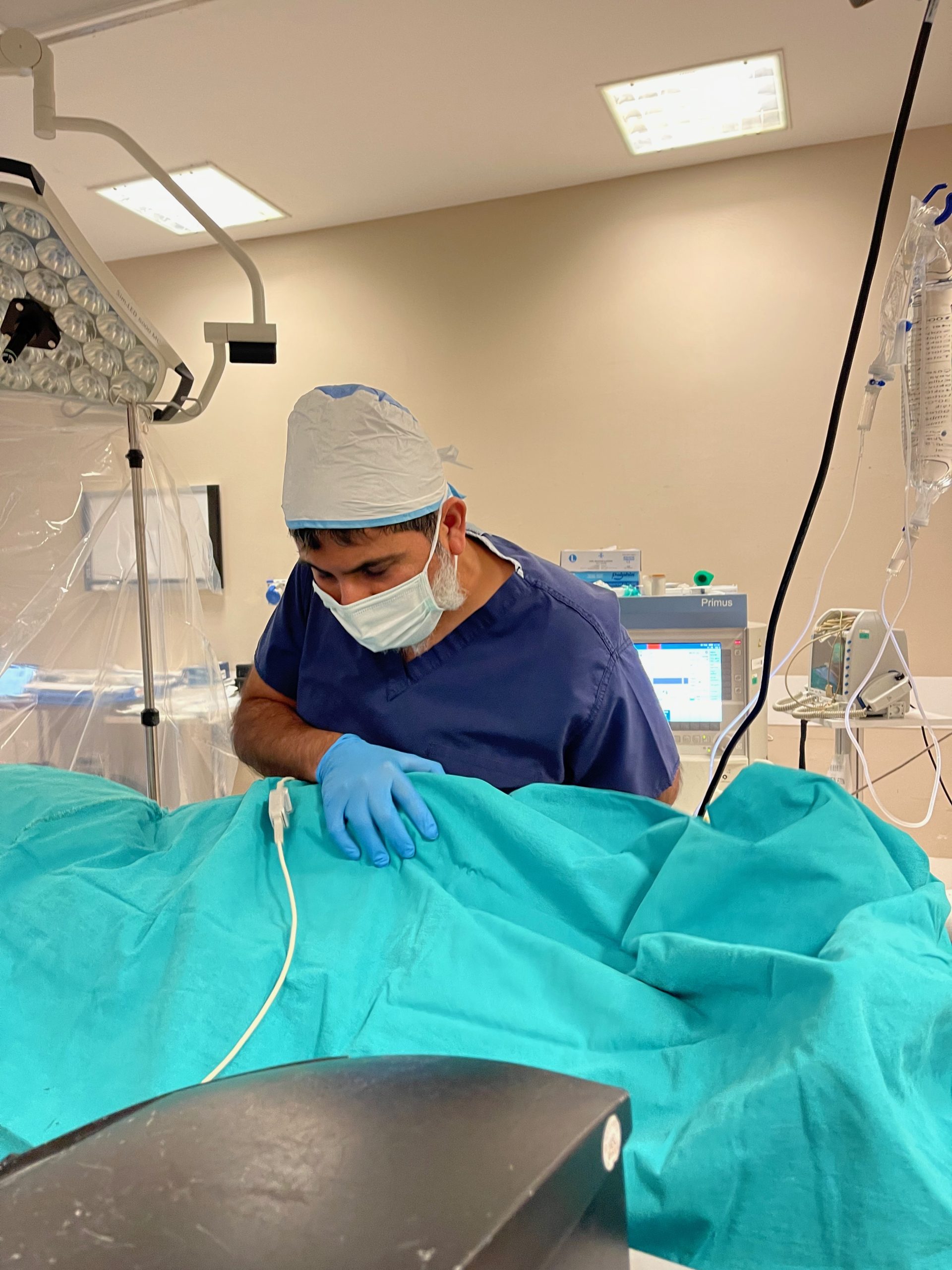
Dr. Jawad A. Bajwa is an American-certified interventional deep brain stimulation (DBS) neurologist and movement disorders specialist with over 25 years of experience. He has received training at well recognized American institutes including the Georgetown University Hospital, Washington, DC and the Cleveland Clinic Foundation, Cleveland, Ohio and specializes in innovative treatments, including deep brain stimulation (DBS) for tremor control.
His clinical specialty includes Essential tremor (ET), dystonic tremor, and Parkinson’s disease (PD) tremor treatment, among others. He offers complete assessment and interventional therapy for tremor patients via his virtual online clinic, with an emphasis on accuracy, patient safety, and long-term functional recovery.
Accreditations & Certifications of Dr. Jawad A. Bajwa

King Edward
King Edward Medical University

Mount Sinai
Mount Sinai School of Medicine

Georgetown
Georgetown University Hospital in Washington, DC

Cleveland Clinic
Cleveland Clinic Foundation, Cleveland, Ohio
Understanding Essential Tremor
Essential tremor (ET) is an involuntary, rhythmic shaking of one or more bodily parts, most commonly the hands, though it can also affect the head, voice, or trunk. Tremors, which are first slight, might eventually interfere with daily functions such as writing, eating, and using utensils. Over time, the disease might deteriorate, affecting fine motor abilities and daily tasks.
Stages of Essential Tremor
Essential tremor (ET) symptoms typically
progress gradually.
- Mild Stage: Occasional shaking that does not interfere with normal activities.
- Moderate Stage: Tremors become more noticeable, especially during actions like holding objects or writing.
- Severe Stage: Shaking significantly affects independence, making it difficult to perform tasks such as dressing, eating, or using tools.
Causes of Tremor
The causes can vary widely depending on the type and underlying condition. Common causes include:
- Genetic factors: Essential tremor (ET) often runs in families.
- Neurological conditions: Disorders such as Parkinson’s disease (PD), multiple sclerosis (MS), or dystonia can cause tremors.
- Medication side effects: Certain drugs affecting the nervous system may trigger shaking.
- Metabolic or toxic causes: Overactive thyroid and toxins can contribute.
- Stress and fatigue: Emotional stress or lack of sleep can temporarily worsen tremors.
Types of Tremor
- Essential tremor (ET): Often hereditary, affecting the hands, arms, head, or voice during movement.
- Parkinsonian (PD) tremor: Appears mostly at rest and typically begins on one side of the body.
- Dystonic tremor: Occurs in muscles affected by dystonia or abnormal postures.
- Cerebellar tremor: Caused by damage to the cerebellum, leading to slow, wide-amplitude tremors during voluntary motion.
Early evaluation and treatment help reduce progression, improve function, and maintain quality of life.
Symptoms of Essential Tremor
Essential tremor (ET) often develops gradually, beginning with moderate shaking and growing over time. They can appear in the hands, head, voice, or other bodily parts and are sometimes more visible during movement or mental stress. Early detection of these symptoms is critical, as an appropriate diagnosis can aid in efficient disease management and improved quality of life. People with tremors that interfere with their daily activities should seek professional examination and treatment.
Common Symptoms Include:
- Persistent shaking or trembling in the hands, head, or voice, even at rest
- Tremors that become more pronounced during movement or under stress
- Difficulty with tasks requiring precision, such as writing, eating, or drinking
- Shaking that disrupts daily activities or affects self confidence
- Family history of tremor or related neurological disorders
- Suboptimal tremor management with medications
- Increased tremor intensity with fatigue, caffeine, or anxiety
- Challenges in fine motor skills, like buttoning clothes or using utensils
- Head or voice tremors that alter speech, appearance, or communication
- Progressive worsening of tremors or spreading to other areas of the body
Tremor Symptom Checker
If you’re not sure whether your shaking or trembling is caused by a movement disorder, a brief symptom check will help you take the first step in finding out. This tool helps you to analyze common symptoms and determine whether you should visit with a movement disorders specialist.
Common Tremor Symptoms to Look For:
- Shaking in hands, head, or voice that doesn’t stop easily
- Tremors that worsen during activity or emotional stress
- Difficulty eating, drinking, or writing due to shaking
- Noticeable hand tremors when holding objects or reaching forward
- Tremors that affect speech or facial expressions
- Family history of tremor or movement disorders
- Tremors worsening with age or medication use
How to Diagnose If You Have Tremors?
Tremors must be diagnosed using a thorough and structured evaluation to ascertain the kind, source, and underlying neurological involvement. Tremors can be caused by a variety of disorders; therefore, movement disorders specialists utilize a mix of clinical assessments, laboratory testing, and imaging studies to make an accurate diagnosis and develop a treatment strategy.
Diagnosis Steps Include:
- Detailed Medical History: A comprehensive review of symptoms, duration, current medications, and family history of tremor or neurological conditions.
- Neurological Review: Assessment of coordination and involuntary movements to identify affected areas.
- Tremor Observation Test: Observation of tremor patterns during rest and movement to classify the tremor type.
- Blood and Urine Tests: Used to detect thyroid disorders, medication reactions, or metabolic imbalances contributing to tremors.
- Imaging Studies (MRI or CT Scan): Help identify structural or functional brain abnormalities.
Life After Deep Brain Stimulation Therapy: Regaining Control and Confidence
Most patients report considerable improvements in movement control and quality of life following deep brain stimulation (DBS) procedure. The therapy, deep brain stimulation (DBS), reduces uncontrollable shaking, making it easier to write, eat, and grasp objects. As tremors become more manageable, patients frequently regain confidence and independence.
Follow-up care is critical for long-term success. Regular visits enable fine-tuning of deep brain stimulation (DBS) settings, monitoring of progress, and medication adjustments as needed. Patients are also urged to participate in physiotherapy and occupational therapy to improve their coordination and muscle strength.
A nutritious diet, balanced lifestyle, and stress management all contribute to healing and stability. Most patients can resume normal routines, enjoy social interactions, and feel a regained feeling of control and comfort in their everyday lives with ongoing medical supervision and self-care.
| Aspect | Before DBS | After DBS |
|---|---|---|
| Tremor Intensity | Frequent and uncontrollable shaking in the hands, head, or voice | Noticeably reduced or well-controlled tremors |
| Daily Activities | Difficulty with tasks like eating, writing, dressing, or holding objects | Improved ability to perform daily tasks independently |
| Quality of Life | Decreased confidence, social withdrawal, and frustration | Renewed confidence, improved mood, and social engagement |
| Medication Dependence | High reliance on medications with possible side effects | Reduced need for medications after successful procedure |
| Fine Motor Control | Impaired coordination and shaky hand movements | Better coordination and smoother hand control |
| Speech or Head Tremors | May cause voice tremors or head nodding | Significant reduction or complete resolution in some cases |
| Mental and Emotional Health | Anxiety or stress due to constant shaking | Greater peace of mind and emotional stability |
| Long-Term Outlook | Progressive worsening of symptoms without deep brain stimulation relief | Sustainable symptom control and improved long-term outcomes |
Tremors Treated Timely vs Non-Timely
Timely tremor treatment can have a significant impact on long-term outcomes, everyday functioning, and emotional well-being. The table below illustrates how early intervention compares to delayed or no therapy.
| Aspect | Treated Timely | Non-Timely / Delayed Treatment |
|---|---|---|
| Symptom Control | Tremors are managed effectively with minimal interference in daily life | Tremors worsen and become harder to control |
| Daily Functioning | Improved ability to perform tasks like writing, eating, and dressing | Increasing difficulty in handling daily activities |
| Emotional Health | Reduced stress, anxiety, and frustration | Higher levels of stress, embarrassment, and isolation |
| Disease Progression | Stable tremors | Accelerated symptom severity over time |
| Medication Effectiveness | Better response to medications and therapies | Reduced effectiveness of medications with time |
| Interventional Outcomes | Higher success rates if deep brain stimulation is performed timely | Partial improvement due to long-term disease duration |
| Quality of Life | Greater independence and confidence | Reduced quality of life and dependence on others |
Treatment Options for Tremors
Tremor management begins with a proper diagnosis and a personalized treatment approach. Depending on the degree and course of symptoms, patients may benefit from both interventional and non-interventional treatments aimed at restoring control and improving daily life.
1. Primary Interventional
Treatment (Most Effective)
Deep Brain Stimulation (DBS) is regarded as the most advanced and successful interventional treatment for bothersome tremors. It entails implanting electrodes in specific brain regions to control aberrant signals that cause tremors. Patients benefit from Dr. Bajwa’s and his team’s skilled care, which improves hand stability, coordination, and general quality of life significantly.
2. Non-Interventional Therapies
(Supportive / Initial Management)
Beta-blockers like Propanolol, anti-seizure medicines like Primidone, and muscle relaxants are commonly used to treat mild to moderate Essential tremor (ET) and other tremors. Physical treatment, occupational therapy, and lifestyle changes such as stress management can all help manage early-stage symptoms effectively.
3. Wellness Care Approach
A holistic treatment strategy guarantees that each patient receives tailored care from diagnosis to recovery. This strategy, which combines medical therapy, advanced interventional procedures, and long-term follow-up, aims not only to control symptoms but also to improve emotional well-being and confidence.
4. Medication
Medications reduce the severity of tremors and enhance everyday functioning. Propranolol and primidone are common choices; when necessary, alternatives include Gabapentin, Topiramate, or Benzodiazepines. Based on each patient’s symptoms and medical history, treatment is personalized to provide safe, effective control.
What is Deep Brain Stimulation?
Deep brain stimulation (DBS) is a highly advanced, safe, and successful interventional method used to treat tremors that are disabling and impair activities of daily living. The treatment entails inserting small electrodes into specific parts of the brain that control movement. These electrodes send gentle electrical impulses to assist regulate aberrant brain activity, reducing involuntary shaking and increasing muscle control, balance, and coordination.
This procedure does not harm brain tissue and is both adjustable and reversible. This procedure is the most reliable for Essential tremor (ET) treatment, dystonic tremor treatment, and Parkinson’s disease (PD) tremor treatment. It is also effective for other movement disorders.
It is an interventional procedure that is successful because of precise diagnosis, specific neuronavigation and interventional neurophysiological brain mapping and post procedure programming. Dr. Bajwa’s ability and dedication have resulted in high success rates, returning confidence, independence, and quality of life to many tremor patients.
How Interventional DBS therapy is Performed
Dr. Jawad A. Bajwa and his team performs deep brain stimulation (DBS) procedure with modern image guided and neurophysiological tools to assure precision, safety, and successful tremor control. Here’s how the process is normally performed:
Step by Step Overview of DBS Therapy


Pre-DBS Assessment
Before deep brain stimulation (DBS) procedure, a thorough assessment is performed, which includes brain imaging (MRI or CT scans), neurological tests, and medical reviews. This aids in the identification of the specific brain areas responsible for tremor activity.

Planning and Target Mapping
Dr. Bajwa and his team uses a stereotactic head frame and modern neuronavigation equipment to localize the brain regions where electrodes will be inserted. This planning assures optimum precision and efficacy.

Electrode Implantation
Under local anesthetic, Dr. Bajwa maps exact brain regions using advanced neurophysiological tools to implant tiny electrodes into those specific brain locations. The patient may be awake so that real-time input can be used to ensure proper placement and optimal tremor control.

Pulse Generator Placement
In the following phase, a small battery-powered device (neurostimulator or pulse generator) is implanted beneath the skin near the chest under general anesthesia. This device links to the brain electrodes via small wires.

Programming & Activation
After the procedure, Dr. Bajwa and his team configures the deep brain stimulation (DBS) device to send controlled electrical signals that assist in moderating aberrant brain activity. The stimulation settings are gradually fine-tuned during follow-up visits to obtain the best tremor reduction possible.

Recovery and Follow-Up Care
Most patients experience significant improvement in tremor control and quality of life. Regular follow-up appointments ensure proper adjustment of stimulation levels and ongoing support for optimal results.
Significant experience and a cautious approach ensure that each phase of this interventional procedure for tremor is carried out with precision, safety, and patient comfort in mind.
Brain Map Understanding How Your Brain Works
The human brain is a complex network that regulates all aspects of movement, cognition, and coordination. Understanding its core regions explains how tremors develop and how focused devices like deep brain stimulation (DBS) can help restore balance, control, and independence.
Key Areas of the Brain:
Basal Ganglia
Plays a vital role in controlling movement; irregular signals here are often linked to tremors.
Cerebellum
Manages coordination, posture, and precise motion often affected in movement disorders.
Frontal Lobe
Responsible for voluntary movement, planning, and problem-solving.
Parietal Lobe
Processes sensory input and body positioning.
Temporal Lobe
Involved in auditory processing, memory, and emotional regulation.
Brainstem
Controls essential life functions such as heart rate and breathing.
A visual brain map can help patients and caregivers comprehend how these interconnected areas function and how deep brain stimulation (DBS) precisely targets abnormal brain circuits to restore smoother, more regulated movement.
Disorders Treated by Dr. Jawad A. Bajwa
Dr. Jawad A. Bajwa uses advanced skills to diagnose and precision-based therapies like deep brain stimulation (DBS) to treat a variety of movement disorders. To regain control, lessen discomfort, and enhance quality of life, a customized strategy is needed for each illness.

Essential Tremor
Essential tremor (ET) is a common movement disorder that produces involuntary shaking, usually in the hands, head, or voice. Deep brain stimulation (DBS) and medicines can help lessen tremor severity and restore confidence in everyday tasks.
Parkinson’s Disease
It is a progressive neurological disorder that impairs mobility, balance, and coordination. Dr. Bajwa’s Parkinson’s disease (PD) care focuses on symptom management using medication, lifestyle adjustments, holistic wellness and devices such as deep brain stimulation (DBS).
Dystonia
Dystonia is characterized by involuntary muscle contractions that cause aberrant postures and motions. Medications, and interventional treatments like deep brain stimulation (DBS) are all options for treatment.
Turning Tremors into Triumphs There’s Always Hope
Dr. Bajwa ensures that each patient receives targeted, results-driven care by utilizing cutting-edge diagnostic technologies, novel therapies such as deep brain stimulation (DBS), and tailored follow-up programs. Whether you’re looking for tremor treatment or relief from other movement disorders, we can help you rebuild your confidence, restore stable motions, and find the joy of living without restrictions.
Where Do We
Offer Our Services?
Dr. Bajwa provides expert consultations from the comfort of your home at Parkinsons MD Care, a neurology movement disorders clinic that is entirely online. For Karachi, Islamabad, Quetta, Peshawar, Lahore, or any other Pakistani city, you can consult a movement disorders neurologist for Parkinson’s disease (PD) and other movement issues.
Comprehensive evaluations and therapy recommendations are also available. No matter where you are, our online clinic guarantees that professional guidance, medical support, and follow-up care are accessible quickly, securely, and effectively.
Frequently Asked Questions
What are the early warning signs of a Tremor Disorder?
Early symptoms may include mild, rhythmic shaking of the hands, head, or voice, which is most visible when writing, handling utensils, or drinking. Tremors might increase with time and extend to other sections of the body.
How do I know if my tremors are serious?
Tremors become concerning when they start affecting daily tasks, confidence, or independence. If shaking interferes with eating, dressing, or speaking, it’s best to consult a movement disorders neurologist for a detailed evaluation.
Who is a good candidate for Deep Brain Stimulation procedure?
Patients with moderate to severe tremors with impaired day to day functions or bothersome lifestyle changes affecting independence are good candidates for deep brain stimulation (DBS). A thorough neurological tremor assessment helps to confirm eligibility.
At what stage should a tremor patient consider Deep Brain Stimulation?
Deep brain stimulation (DBS) is usually recommended when tremors impair quality of life, day to day activities, and independence. Early contact with a specialist for tremor treatment can assist in planning a timely intervention.
How soon can I see results after the Deep Brain Stimulation procedure?
Many patients experience improvement within weeks of the procedure.
Is Deep Brain Stimulation procedure safe for tremors?
Yes. Deep Brain Stimulation (DBS) is a safe and proven procedure with high success rates in reducing tremor severity. Under the care of an experienced interventional movement disorders neurologist, the procedure is performed using advanced technology with minimal risks and excellent long-term outcomes.