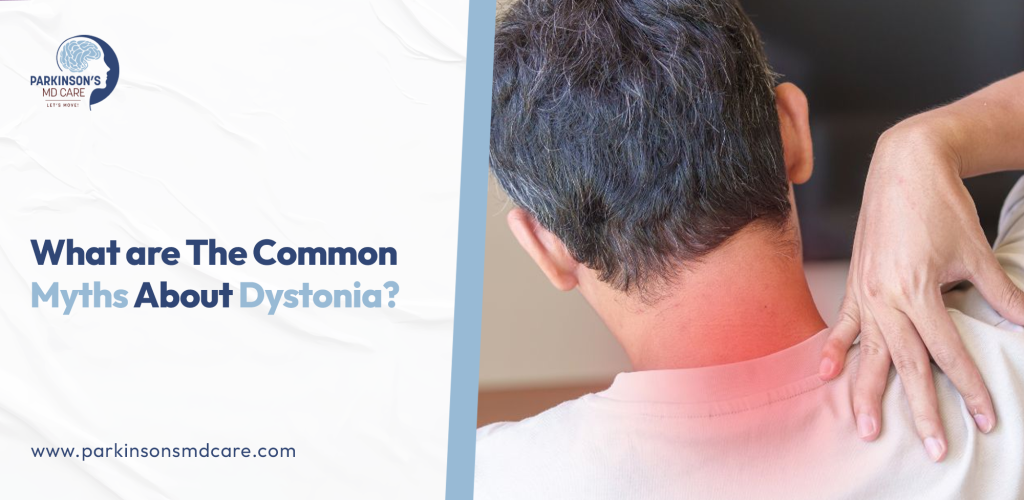
Dystonia is a nervous system disorder that involves an involuntary contraction of muscles. The result of this is repetitive or unusual body movements in the patient. The involuntary muscle contractions can happen in different body parts, including the hand, neck, and others.
It is common among people, but many myths surround this disease. Such myths may be a barrier to treating it. When it comes to complex neurological conditions like Dystonia, the right expertise makes all the difference. At Parkinson’s MD Care, patients find more than just treatment; they find a partnership dedicated to restoring their quality of life.
Trust begins with unparalleled experience. Dr. Jawad A. Bajwa is a USA-certified Interventional Neurologist with over 25 years of specialized experience in Parkinson’s disease treatment and a wide spectrum of movement disorders.
To prevent any misunderstanding or being isolated by society, the following article reveals popular myths about dystonia and uncovers the actual facts regarding them.
Misconceptions about dystonia often lead to confusion about its causes, symptoms, and severity. Many people mistakenly believe it is purely psychological or always progressive, which is not true. Clear understanding helps ensure timely diagnosis and appropriate treatment.
One of the most common misconceptions about dystonia is that this condition is caused by stress and anxiety. Stress can worsen the symptoms, just like almost every other neurological condition.
However, it is not the actual cause behind dystonia. Due to this, patients are not taken seriously, and proper diagnosis is delayed. Patients suffering from involuntary muscle contractions are sometimes told to visit a psychiatrist.
However, dystonia is strictly a neurological condition. An interventional neurologist can only treat this condition effectively. This is because our brain is responsible for causing this condition. The basal ganglia of the brain send “go” and “stop” signals to the muscles. Treating the brain will help with dystonia, not “just relaxing.”
Most people think that dystonia only occurs in elderly individuals. However, age is not a factor responsible for causing dystonia. It can affect younger people and children as well. Therefore, early diagnosis is critical in these cases. The right dystonia treatment will manage their growth and mobility.
Patients often hear that there is no effective treatment for dystonia. Due to this, they become hopeless and think that they have to endure the symptoms for life. It is one of the most dangerous myths about dystonia and leads to depression and withdrawal. However, the reality is quite different.
While dystonia cannot be cured completely, it can be efficiently managed. The patient can live a normal life once the symptoms are controlled. We are lucky to be living in a golden age of neurological intervention.
There are different treatment options for dystonia mentioned as follows:
Many patients feel alone because they have never met another person with the condition. They believe that this condition is rare. However, the truth behind this is totally different. In most of the cases, this condition is not properly diagnosed.
Patients do not consult with the right specialist, which is why they remain confused. A consultation with an internationally trained Interventional Neurologist can help the patients get an accurate diagnosis. As a matter of fact, dystonia is actually the third most common movement disorder.
Every year, thousands of people suffer from it without even knowing the name of their condition. They think that it is just a “stiff neck,” “writer’s cramp,” “anxiety disorder,” or “nerves.” Therefore, proper diagnosis is extremely important to treat the condition effectively.
Patients who are luckily diagnosed properly with dystonia often hear that the botulinum toxin injections are unsafe to use. Just because the treatment involves a “toxin,” they often panic.
It is understandable that the name is scary and sounds like poison. However, the reality is different. This treatment for dystonia has been approved after proper scientific research. It has been in use since 1989. It is a safe and effective treatment option when prescribed by a trained interventional Neurologist. This injection blocks the nerve signals and stops the spasm at its source.
Because the symptoms can look dramatic, people often think that they will progress and keep getting worse. Patients think that painful twisting, tremors, or distorted postures will cause total paralysis in the future, or they may cause the death of the person.
But in reality, these symptoms do not progress after a certain stage. No doubt, it is a lifelong challenge, but the vital organs or cognitive function of the patient are not affected. Even with proper treatment, the symptoms can be controlled.
Patients are able to live full, productive lives by working closely with a movement disorder specialist. Early diagnosis and the right dystonia treatment can make a major difference.
At first glance, dystonia seems purely physical. Yet, not only do its symptoms trouble the patients, but also their efforts in coping with the disease influence their emotional state. In addition, they have low self-esteem and poor social skills.
The patients are frustrated and concerned about their health problems. They wish to control their body the way they used to. They feel hurt when misunderstood by others. This emotional impact is as important as the physical impact on their lives. Therefore, such patients should be understood and supported throughout the treatment journey, so that their confidence is restored.
Below is the summary of the common myths about dystonia and the medical reality behind them.
| The Common Myth | The Medical Reality |
|---|---|
| It’s caused by stress/anxiety. | It is a neurological disorder, though stress may worsen symptoms. |
| It only happens in older people. | It can affect children (Early-Onset) and adults. |
| There is no treatment available. | Multiple treatment options are available. They are both safe and effective. |
| Dystonia is extremely rare. | It is common and often misdiagnosed. |
| Botulinum Toxin injections are harmful. | They are completely safe and effective. They are being used all over the world to treat dystonia. |
| It will always get worse and may cause death. | The symptoms can be controlled. The disease is not progressive in nature. |
| It only affects the patient physically. | Confidence is reduced. Social life is disturbed. Patient needs emotional support as well. |
Understanding the truth about dystonia is the first step toward reclaiming your life. It is important to remember that dystonia is not a character flaw, a mental breakdown, or a total disability; rather, it is a biological glitch in the brain’s neurological wiring.
Fortunately, advancements in modern science have made it possible to effectively manage symptoms and restore independence. Patients are encouraged to move past common myths about dystonia and consult a qualified specialist to receive an accurate diagnosis and a personalized treatment plan, including guidance on advanced options such as the 3 Month Rule For DBS Surgery when clinically appropriate.
By addressing the condition with expert medical guidance patients can enjoy a stable, fulfilling life. At Parkinson’s MD Care, we are dedicated to bringing world-class neurological expertise to patients across Pakistan. Led by Dr. Jawad A. Bajwa, a USA-certified Interventional Neurologist with over 25 years of experience, the practice offers modern treatments for dystonia and other movement disorders while also educating patients to overcome myths about Parkinson’s disease and myths about essential tremor.
We prioritize your comfort and accessibility, offering comprehensive online consultations so you can access top-notch care from your own home. Do not let distance or misinformation stand in the way of your health—partner with Dr. Jawad A. Bajwa, who understands your journey and starts your path toward better mobility today.
WhatsApp us