It can be challenging to manage everyday tasks with Parkinson’s disease or other movement disorders. Simple activities like walking, writing, eating, or even getting dressed may gradually become difficult due to tremors, muscle stiffness, and reduced muscle control. In many ways, this loss of mobility feels similar to what people experience with long-term joint problems, where treatments such as knee replacement surgery are considered to restore movement and help patients return to a more comfortable, independent life.
In the early and middle stages, these disorders may be treated with medications to manage their symptoms. Still, for some patients, further treatment options may be needed as time goes on to regain enhanced mobility and independence. One of the best treatments today is Deep Brain Stimulation, or DBS surgery.
For many people who have Parkinson’s disease and other movement disorders, having DBS surgery has now become a life-changing solution. This technologically advanced method improves movement, reduces tremors, and enhances muscle coordination. An appropriate medical evaluation and skilled treatment can help patients greatly improve their quality of life and daily functioning.
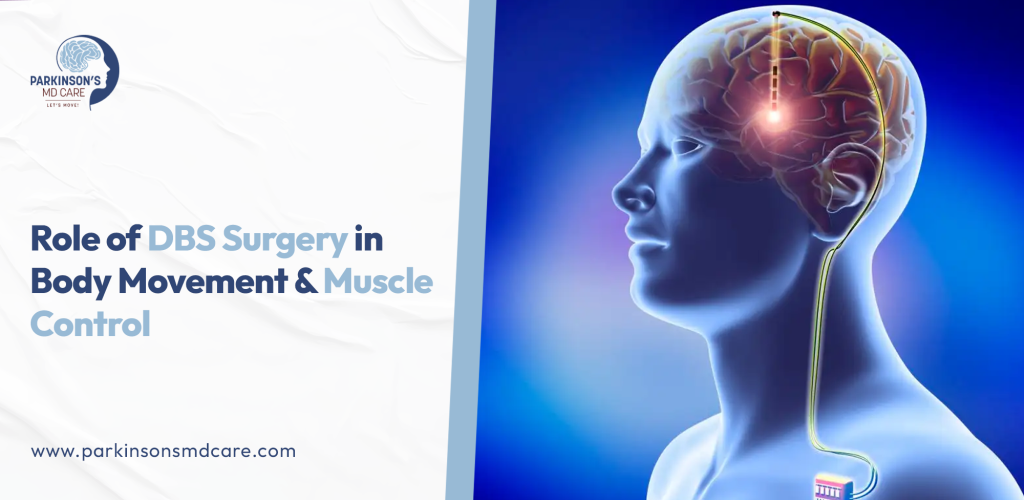
Deep brain stimulation (also known as DBS) is a form of surgery used to treat movement disorders. It is a procedure in which tiny electrodes are inserted into certain parts of the brain which control movement. The electrodes are plugged into an apparatus, typically under the skin near the chest, that is like a pacemaker. It applies precise electric signals to the brain to keep it working normally and to reduce abnormal activity, which causes movement disorders.
The destruction of brain tissue and permanent changes to the brain do not occur with DBS. Rather, it functions on the basis of regulating the electrical activity at specific regions. The stimulation can also be adjusted over time, depending on how the patient’s condition and symptoms are changing. This is an advantage that makes DBS a very customized therapeutic approach.
DBS surgery in Pakistan is typically used for Parkinson’s disease, but it can also be used in people with essential tremor, dystonia and in some other movement disorders of the nervous system.
Parkinson’s disease is a disease of the nervous system that slowly destroys brain cells that make dopamine. Dopamine is a chemical that is important in the body for smooth and coordinated movement. Although the exact causes of parkinson’s disease are not fully understood, researchers believe that genetic and environmental factors may both play a role. A loss of dopamine causes patients to start to feel a variety of symptoms that affect movement and muscle control.
For patients seeking Parkinson’s Disease Treatment in Pakistan, understanding these symptoms, possible causes, and available therapies is an important step toward improving quality of life. Many patients will develop shaking in their hands, arms, legs, or jaw. Muscle stiffening and rigidity can make movements difficult and painful.
Walking might become challenging, and balance issues may get worse and make falling more likely. Other patients have also developed unwanted movements of the muscles as a side effect of the medications. These symptoms can also have an impact on emotional health. Patients may feel frustrated, anxious, or socially isolated because it can be difficult for them to do things that they used to do every day.
While drugs are sometimes effective in the early stages, their effectiveness may diminish over time, and doctors may then recommend more advanced therapies such as DBS surgery as part of comprehensive parkinson’s disease treatment in Pakistan.
The greatest advantage of DBS surgery is that it enhances the movement of the body parts. As explained in any guide to DBS surgery, the DBS device transmits electrical signals that help control the abnormal brain activity that causes movement problems. This means that many patients will have smoother and more controlled body movements.
There is usually a marked improvement in tremor following DBS surgery. Patients who have been unable to control their hands, write, or eat may be able to do so again. Patients may also experience increased movement and comfort with muscle stiffness, too. Many individuals notice better walking ability and reduced slowness in movement.
DBS may also help decrease the occurrence of unexpected “off” periods, when Parkinson’s medications are not working for a short time. Patients may find they are more able to manage their symptoms during the day, and therefore more independent and confident in their daily activities.
While DBS surgery is not a cure for Parkinson’s disease, it can play a significant role in treating the movement-related symptoms of the condition and in improving quality of life.
All muscle control is dependent on the correct interaction between the brain and the body. In movement disorders, there is an abnormal electrical signal in the brain that disrupts this communication. DBS is a technique that restores a more balanced signal in these three signals.
In many Parkinson’s patients, the rigidity, unwanted muscle movements and tremors disrupt the normal functioning of the body. DBS surgery works by stimulating the specific areas of the brain that play a role in a person’s movements and helps to alleviate these symptoms.
Better control of the muscles can result in better posture, easier walking patterns and greater flexibility. Other patients might see an improvement in their facial expressions, the clarity of their speech and fine motor skills.
These changes can help make life easier and less tiring. Improvement in muscle coordination also lessens physical stress on the body. Successful DBS treatment often decreases the amount of fatigue felt by patients because they have to exert less effort in order to make the movements.
Not all people with Parkinson’s disease need to have DBS surgery. Doctors carefully evaluate the procedure before recommending it to any individual. For most people, DBS surgery can be considered if Parkinson’s drugs still help them to move around, but they develop troublesome side effects, or symptoms don’t respond well to the medication.
Those with severe shakes, wobbliness, or movement disturbances despite optimal adjustments in medications may be the most likely to benefit. Physicians examine physical health, mental health and cognitive function prior to surgery.
For patients suffering from movement disorders, DBS therapy can yield long-term benefits for a significant number of patients. One of the big benefits is that there is a decrease in dependence on drugs. Patients who have responded well to DBS surgery may be able to reduce the amount of medications needed following treatment, potentially reducing the side effects of medication.
Improved movement and muscle control can also lead to greater emotional well-being. Patients feel better able to participate in their social lives and activities at home. Improved mobility can also help to promote a healthier lifestyle. Patients might be more comfortable being active, in physical therapy and in general physical strength.
All of these factors can help to promote a healthier life and better health outcomes over the long term. While Parkinson’s disease progresses over time, DBS can help to control the symptoms more effectively, and patients may function normally for many years.
Parkinson’s MD Care provides compassionate care for those who are affected by Parkinson’s disease and other movement disorders that are backed by evidence. Parkinson’s MD Care focuses on patient-centered care using globally accepted treatment guidelines. Every patient receives a personalized plan based on their condition and stage of disease.
Parkinson’s MD Care offers both detailed diagnosis and advanced treatments, including Deep Brain Stimulation (DBS) therapy. The main goal is to help patients feel more comfortable in daily life, improve movement, and support better muscle control and overall quality of life.
If you or someone you know is experiencing Parkinson’s or other movement-related symptoms, our interventional neurologist, Dr. Jawad A. Bajwa at Parkinson’s MD Care, can guide you through advanced treatment options for long-term symptom management and a better quality of life.
WhatsApp us