Living with neurological disorders is a heavy burden for patients to carry. The disorder, such as Parkinson’s disease, essential tremor, or dystonia, can feel shattering. Patients can see that their independence is going away slowly. They try medications, adjust the dosages, and manage the side effects, but the symptoms continue to progress. With time patient starts losing hope.
Medical technology has developed an incredible tool to manage movement disorders. This tool is the Deep Brain Stimulation (DBS surgery). It is one of the most successful treatments available today, and patients rely on DBS for the management of their movement disorder symptoms. As it is a surgical procedure, patients and their families often seem worried and nervous about it.
Managing movement disorders requires more than just a prescription; it requires a comprehensive, expert approach. Under the specialized leadership of Dr. Jawad A. Bajwa at Parkinson’s MD Care, patients gain access to the latest advancements in movement disorder treatments. He understands how disruptive movement disorders can be, which is why he offers personalized solutions—ranging from innovative therapies to targeted DBS surgery—to address your unique symptoms.
Deep brain stimulation is a medical procedure that is used to manage the symptoms of neurological disorders. It sends small electrical signals through a neurostimulator to the brain and helps in controlling the movement of a person. DBS is described as a “pacemaker for the brain.” It is a powerful tool that helps the patient perform daily activities without frustration.
It is not a cure for movement disorders; rather, it helps to manage the symptoms so that living with the disease becomes easier. The tremors and involuntary movements of the patient are significantly reduced after DBS surgery. Patients gain better control of muscle stiffness, and their mobility and coordination are also improved.
The need for high doses of medications is minimised, and patients feel confident and happier than before. DBS therapy is commonly used for conditions treated through specialized programs such as parkinson’s disease treatment, tremor treatment, and dystonia treatment.
The complete procedure of a DBS surgery is mentioned below:
During the first consultation specialist evaluates the patient in detail. An interventional neurologist will examine the patient neurologically and may recommend imaging such as MRI or CT scans. He also asks the patient about their medical history and any previous surgeries they have had.
Specialists also assess the response of medications that the patient is already using to control their symptoms. They ask the patient to stop using the medication for some time and evaluate the symptoms. After that medication is provided and the effect of the medication is analyzed. This comparison of medication allow the neurosurgeon to predict the outcome of DBS surgery for the patient.
Moreover, a psychological examination of the patient is performed to get an idea of whether the person is the right candidate for DBS surgery or not. Specialists may also discuss clinical considerations such as the 3 month rule for DBS surgery, which helps determine whether the procedure is appropriate at the current stage of treatment.
If DBS is the right choice for the patient, then the specialist explains the expected benefits and possible risks of the procedure. This approach minimizes the nervousness of patients regarding surgery and makes them emotionally ready.
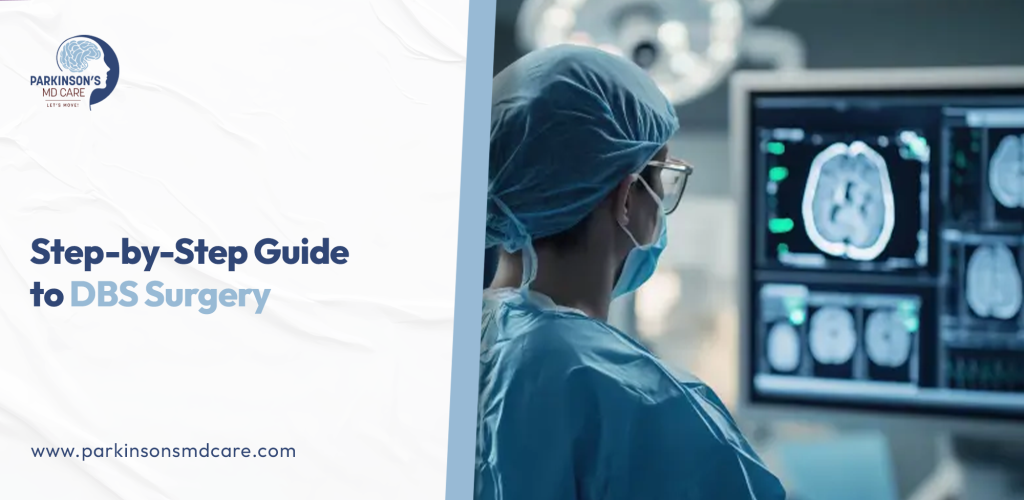
If the patient is approved for a DBS surgery, then doctors identify the area of the brain that needs stimulation. For this purpose, the neurosurgeon uses advanced imaging techniques to create a precise map of the patient’s brain. This step is the “pre-surgical” phase. It is an important step of the procedure because the part of the brain that controls movement should be targeted to get the best results from DBS surgery.
In order to ensure accuracy, a specialized head frame is used during the procedure. Some modern clinics also offer frameless options to decide where the leads need to be placed in the brain. A specialist also guides on the prerequisites for DBS surgery. Usually patient is instructed to avoid eating or drinking for 6 hours before surgery. Blood-thinning medications are also avoided before surgery to minimize bleeding risks.
The DBS surgical procedure occurs in two phases. In Phase 1, thin electrodes are placed into the targeted area by the surgeon. During the implantation of the brain electrodes, the patient can be awake or asleep. Specialists prefer the patient to be awake during surgery so that they can monitor the brain activity and confirm that the electrodes are implanted at the right place.
If the patient is awake, the surgeon may ask them to speak or respond to questions. They may also ask the patient to move their hand or foot. This ensures that the electrodes are placed correctly. Every step of the surgery is handled with precision and care. A patient being awake does not mean that they will feel pain. The brain does not have pain receptors, so the patient does not feel pain during the surgery.
The table below provides the differentiation between awake DBS and asleep DBS.
| Feature | Awake DBS | Asleep DBS |
|---|---|---|
| Patient Status | Conscious/Sedated | General Anesthesia |
| Feedback | Real-time symptom testing | Guided by MRI/CT scans only |
| Comfort | Requires focus from the patient | Patient is fully unconscious |
| Suitability | Ideal for tremor monitoring | Ideal for those with high anxiety |
After phase 1, the patient is monitored for some time by a specialist. A CT scan is performed to make sure that the leads are placed perfectly. The patient may feel a headache or soreness, which can be managed through medication. Is advised to follow a proper routine and take medications on time.
A few days or weeks later, Phase 2 of the DBS is performed. In this step, a neurostimulator is placed under the skin near the chest area. A neurostimulator is a small device that acts as a pacemaker for the brain. In simple terms, this phase is also called placing the battery.
This procedure is performed under general anaesthesia. After placing the neurostimulator, thin wires are connected to the electrodes placed in the brain. These wires connect the electrodes and the neurostimulator. These thin leads are not visible outside the body. The surgeon places them precisely inside, and they work to restore the balance of the patient. This step takes 25 to 30 minutes in total.
This programming step of the DBS surgery is performed a few weeks later, after the neurostimulator is placed into the chest. During these weeks, the patient heals from the physical surgery. During the programming session, the doctor uses a wireless controller to communicate with the neurostimulator/battery.
It is turned on, and electrical signals are adjusted. It is the golden moment for the patient because once the device is turned on, the symptoms go away. Smooth movements replace the tremors and stiffness. The surgeon needs to find the most effective stimulation level for the patient, which is why this step may take several visits to the clinic.
After the DBS surgery, symptoms of movement disorders are controlled significantly. The patient must follow the advice of the doctor. It is advised to attend regular checkups so that the surgeon can monitor the battery and adjust settings accordingly. The non-rechargeable neurostimulator lasts 3 to 5 years, while a rechargeable one can last up to 20 years. The patient should avoid strong magnetic fields after DBS surgery. Maintaining overall brain health through proper hydration and healthy habits can also support neurological recovery.
DBS surgery is an effective way of managing symptoms of neurological disorders. By carefully targeting specific areas of the brain, surgeons can help patients to restore independence. The step-by-step guide to DBS surgery helps to remove fear and uncertainty from the patient’s mind. Those who take this brave step and undergo surgery enjoy smooth and controlled movements.
For many patients researching DBS, understanding related neurological conditions can also be helpful, including myths about parkinson’s disease. Parkinson’s MD Care offers successful DBS surgery under the supervision of Dr. Jawad A. Bajwa. He specializes in translating the latest research into highly effective, individualized care for movement disorders.
Whether you need early intervention or advanced options like DBS surgery, our interventional neurologist and movement disorders specialist is here to guide you. Stop struggling and start moving forward with a team that truly understands. Reach out to us today to discover how our customized care can help you return to a more comfortable, normal life.
WhatsApp us