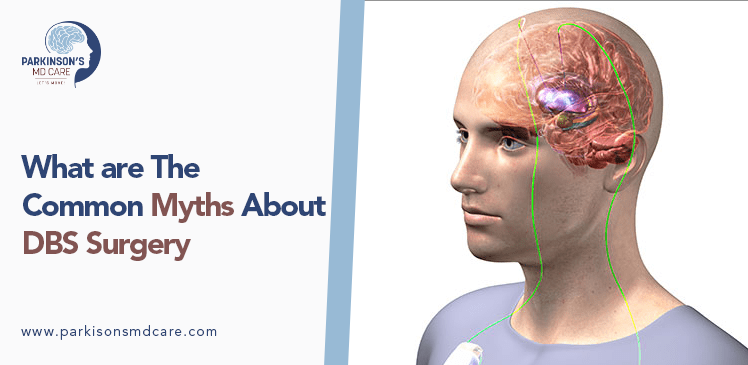
Deep Brain Stimulation surgery is an advanced procedure in the field of neurology. Neurological problems cause a variety of symptoms in patients affecting their daily lives. This procedure aims to manage the symptoms of Parkinson’s disease, essential tremor, dystonia, or other neurological conditions. Yet, many myths regarding this surgery create doubt among patients and their families.
These myths become a hurdle, and patients hesitate to undergo this surgery. Moreover, this misinformation continues to create unnecessary anxiety among patients. At Parkinson’s MD Care, individuals who have Parkinson’s disease and movement disorders are enlightened and educated with empathy and advanced neurology.
With the help of Dr. Jawad A. Bajwa, many patients who previously were suffering from tremors, rigidity, and adverse drug reactions are now empowered to lead a better life through Deep Brain Stimulation (DBS) surgery. Sadly, false information and rumors often stop individuals from undergoing DBS surgery.
Knowledge about the process involved in DBS surgery is the key to informed decision-making. This article debunks the myths about DBS surgery to help patients clear their confusion.
For someone living with a movement disorder, the world often shrinks. They usually start believing what other people say about their condition and the treatment. However, the right knowledge can enable them to fight the disease effectively rather than giving up. Here are some of the most common myths debunked about DBA surgery:
This is perhaps the most harmful myth surrounding DBS Surgery. The truth is, Deep Brain Stimulation is not a mystery; it is a medical milestone. It is the standard of care in neurology, not a fringe experiment. Furthermore, while any surgery carries risk, DBS has a high safety record.
A proper DBS surgery guide helps patients understand the procedure, recovery, and expected outcomes in detail. The hospital stay is often just 24 hours after the electrode placement, and many centers now perform “asleep” DBS using robotic guidance, making the entire procedure as precise and safe as modern medicine gets.
It’s easy to hear “brain electrode” and think of mind control or losing yourself. But DBS Surgery does not fundamentally alter a person’s personality or turn them into a robot. In fact, one of the most incredible features of this therapy is reversibility. Unlike permanent brain surgeries of the past, DBS sends electrical impulses to block “noise” in the brain.
If a patient experiences an unwanted side effect, the doctor simply changes the settings or turns the device off entirely. Moreover, recent research has “deflated” the bubble of personality change, suggesting that theoretical fears rely more on speculation than robust data.
This myth creates unrealistic expectations. DBS surgery is a treatment management tool, not a replacement for medical therapy. It is not a cure for Parkinson’s or Essential Tremor. The goal of DBS is to help control motor symptoms, but patients will almost never stop all medication.
Although many patients still need medication after DBS Surgery, they often need it at lower doses. For Parkinson’s, the implanted device can reduce tremors and dyskinesia so effectively that patients can often cut their medication dosage in half. The combination of DBS and medication often works better together than either treatment alone, especially when understanding the stages of Parkinson’s disease and the role of DBS surgery in long-term symptom management.
The fear of “brain damage” is the single biggest reason people postpone treatment, yet it is a complete misconception. DBS does not destroy brain cells. The system uses a tiny electrode to deliver gentle electrical pulses that block the faulty signals causing tremors. The brain cells are not damaged, and the surgery has minimal risks, so patients should not be worried about it.
Many patients wait too long because they believe DBS should only be considered when nothing else works. Waiting is the most painful part of the disease. In fact, this “last resort” myth is outdated.
For modern medicine, timing is everything. Patients don’t have to wait until their symptoms are unmanageable. In fact, when medication begins to cause debilitating side effects (like dangerous dyskinesias), that is the best time to consider DBS, not years later when quality of life is already zero.
Doctors increasingly recommend considering DBS Surgery earlier in the treatment process for some patients because waiting too long may reduce the potential benefits. Moreover, delaying DBS often leads to a decline in quality of life that could have been prevented with earlier intervention. Patients often experience the best outcomes when:
| Myth | Facts |
|---|---|
| It is dangerous. | It is a proven and successful procedure. It has been approved and used worldwide. |
| It changes the personality of the patient. | It is a treatment procedure that will control the symptoms. It does not change the personality of the patient. |
| Patients don’t need medication after DBS Surgery. | Most patients don’t need medications if they treat early. |
| It will damage the brain. | The brain is not damaged. The intensity of electrical impulses can be controlled according to the patient. |
| It should be the last option of treatment. | DBS is best when medications stop working. |
Advanced DBS Treatment Backed by Expertise: Regain Control of Your Life Visit Parkinson’s MD Care Center and Consult Dr. Jawad A. Bajwa for Advanced DBS Surgery.
First of all, one needs to know the truth about DBS to get back control over their own life with the help of DBS surgery. If someone has Parkinson’s disease or any other similar condition, it is better to consult a competent professional who specializes in the treatment of movement disorders.
After knowing the actual reality and success rate of DBS surgery for movement disorder patients, one must not believe in myths anymore and consult an expert neurologist immediately. This will significantly impact the treatment positively, and patients will be able to regain their independence.
The fear surrounding DBS Surgery often comes from myths rather than medical reality. DBS Surgery is not mind control. It is not personality-changing. It is not only for extreme cases. And it is certainly not hopeless or terrifying when performed by experienced specialists.
For the thousands who have suffered through movement disorders, it is a liberator. By looking at the facts, real data, real safety standards, and real success stories the fear of the procedure is almost always greater than the procedure itself. So, patients should not let these myths become an obstacle to treatment.
An experienced specialist like Dr. Jawad A. Bajwa can precisely and successfully perform this surgery and allow patients to control their movement disorders. He is an internationally trained and American-certified interventional neurologist with decades of experience in performing successful DBS surgery. So, take a step forward and make life easier after DBS surgery.
WhatsApp us